Home › Texas › Used fryer oil collection in Texas
Used fryer oil collection in Texas: rules for restaurants
- Pick what you need and give your kitchen's ZIP code.
- Each service goes to the number of local companies you choose, from one to five. We check licenses where the law requires one and email you their names.
- You talk with them and decide. You hire and pay the company directly.
Facts checked 2026-11-15.
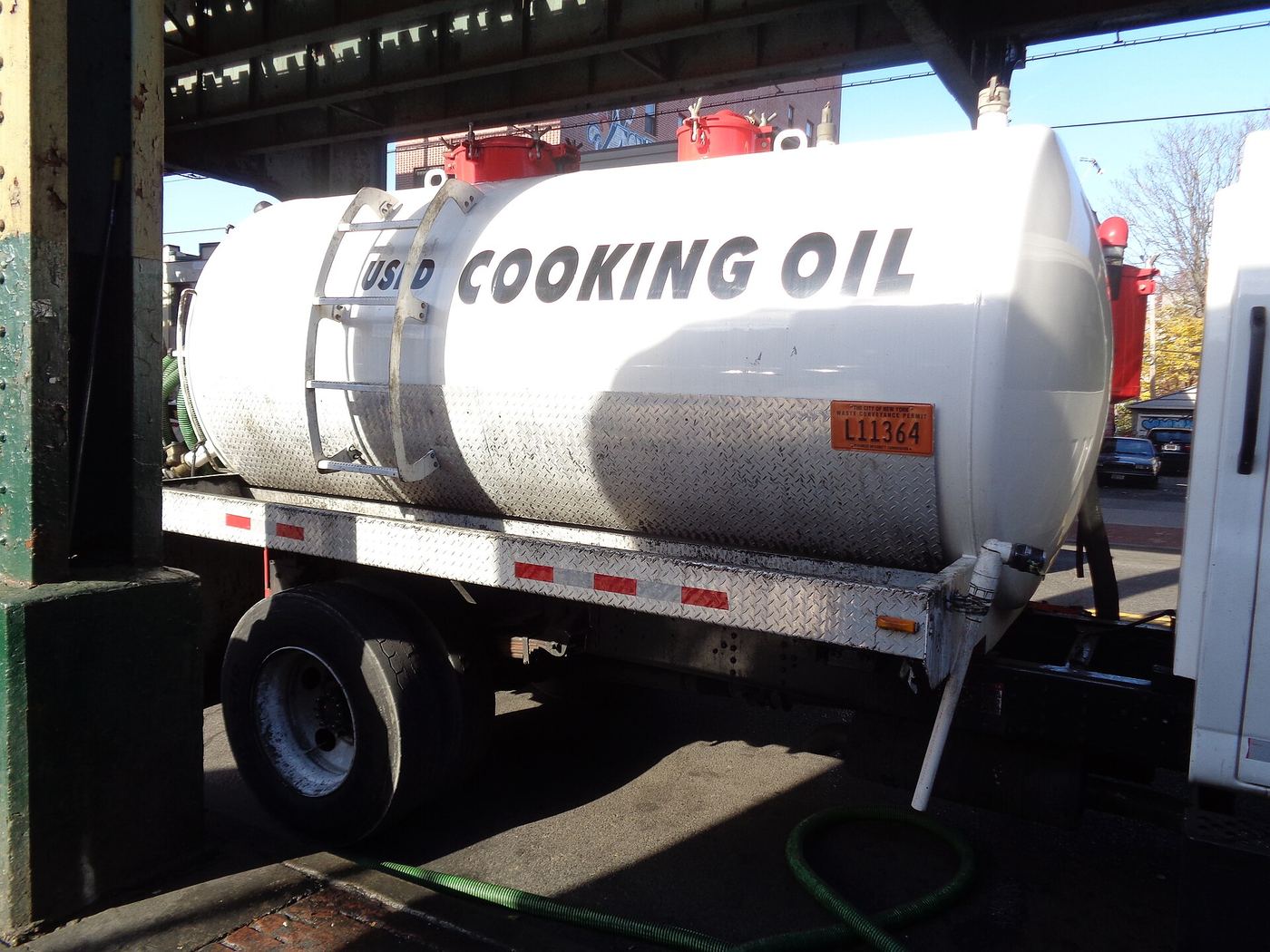

Texas assigns used fryer oil to the Department of State Health Services (DSHS) and not to the Texas Commission on Environmental Quality (TCEQ). Its main rules live in the rendering law, chapter 144 of the Health and Safety Code. A restaurant mostly cares about three things in it: the container, the pickup and theft.
What the law calls it
Chapter 144 defines "recyclable cooking oil" as grease, fat or oil that was used to cook food for people and is meant for recycling. "Waste cooking grease" is the same material once it can no longer be used that way. Both fall under "renderable raw material" in the chapter.
TCEQ's term for fryer oil is "yellow grease," and its guidance puts the transport of yellow grease with DSHS. TCEQ does not regulate its disposal unless the oil is sent to a TCEQ-permitted facility.
Used oil and grease trap waste are different
| Used fryer oil | Grease trap waste | |
|---|---|---|
| Regulator of transport | DSHS | TCEQ |
| Hauler registration | None required under TCEQ rules | TCEQ sludge transporter registration |
| Where it is kept | A special container for pickup by the recycler | In the trap or interceptor |
| Main rule source | Health and Safety Code chapter 144 | 30 TAC chapter 312 and the city's rules |
Two waste streams, then, with two regulators. A trap that needs pumping is covered in the grease trap guide.
A local company can take it from here. One form, free for restaurants.
Get connectedNo state license for the collector
DSHS states that rendering operators, as chapter 144 defines them, need no DSHS license to operate in Texas. They remain subject to the Texas Renderers' Licensing Act and to chapter 221 of Title 25 of the Administrative Code. DSHS supervises these businesses so that materials are stored, made, moved and handed over without becoming a nuisance, and so that inedible products stay out of the food supply.
That means a collector may have no state license to show, in contrast to a suppression company. Ask which rules it follows and where the oil ends up.
Containers
The law sets these terms for a container that holds oil awaiting pickup:
- A container at a collecting point stays on the premises.
- Its owner keeps it leak-proof and sanitary and replaces it when needed.
- Loading and unloading must not spill or leak oil, and any spill is cleaned up immediately.
If the collector owns the container, the leak-proof duty belongs to the collector. Find out who owns it before signing an agreement.
Trucks
Chapter 144 also governs vehicles that haul oil to a rendering plant. They must not leak, must be kept so they cause no nuisance and must satisfy road, insurance and weight rules.
Oil theft
The statute covers stealing as well. No one may steal, misappropriate, contaminate or damage recyclable cooking oil or its containers. A renderer, hauler or anyone else also may not knowingly take possession of stolen oil.
City rules
A city keeps the power to regulate rendering businesses by ordinance inside its limits, and chapter 144 does not remove it, so haulers answer to both. Houston inspectors who review a restaurant's grease program also check the dumpster and rendering oil bin area.
What to ask a collector
- Which rules do you work under, and where does the oil go?
- Who owns the container, and who swaps it out if it leaks?
- How will I learn when you come for a pickup?
- Who bears the loss if the container is stolen or damaged?
A Texas kitchen that wants fryer oil picked up can say so on the form, and the request goes to the local collectors, as many as you choose (one to five).
Questions
Which agency oversees used fryer oil in Texas?
DSHS oversees its transport through Health and Safety Code chapter 144 and chapter 221 of Title 25. TCEQ handles grease trap waste, which is a different material.
Does a cooking oil collector hold a state license in Texas?
DSHS says rendering operators covered by chapter 144 need no license from it. Asking the collector which rules it follows is the practical check.
Is stealing used cooking oil against the law?
Yes. Texas law bars stealing, misappropriating, contaminating or damaging recyclable cooking oil or its containers, and bars knowingly taking possession of stolen oil.
Who must maintain the container that holds used oil?
Under the statute, the container's owner keeps it leak-proof and sanitary and replaces it as needed, and it stays on the premises at the collecting point.
Sources
- TCEQ RG-389, grease trap waste (yellow grease section)
- DSHS, rendering establishments
- Health and Safety Code 144.002, definitions
- Health and Safety Code 144.003, other laws
- Health and Safety Code 144.023, vehicles
- Health and Safety Code 144.030, collection containers
- Health and Safety Code 144.079, prohibited acts
- Houston Health Department, special waste generators