Home › Florida › Used fryer oil storage, pickup and theft in Florida
Used fryer oil storage, pickup and theft in Florida
- Pick what you need and give your kitchen's ZIP code.
- Each service goes to the number of local companies you choose, from one to five. We check licenses where the law requires one and email you their names.
- You talk with them and decide. You hire and pay the company directly.
Facts checked 2026-11-15.
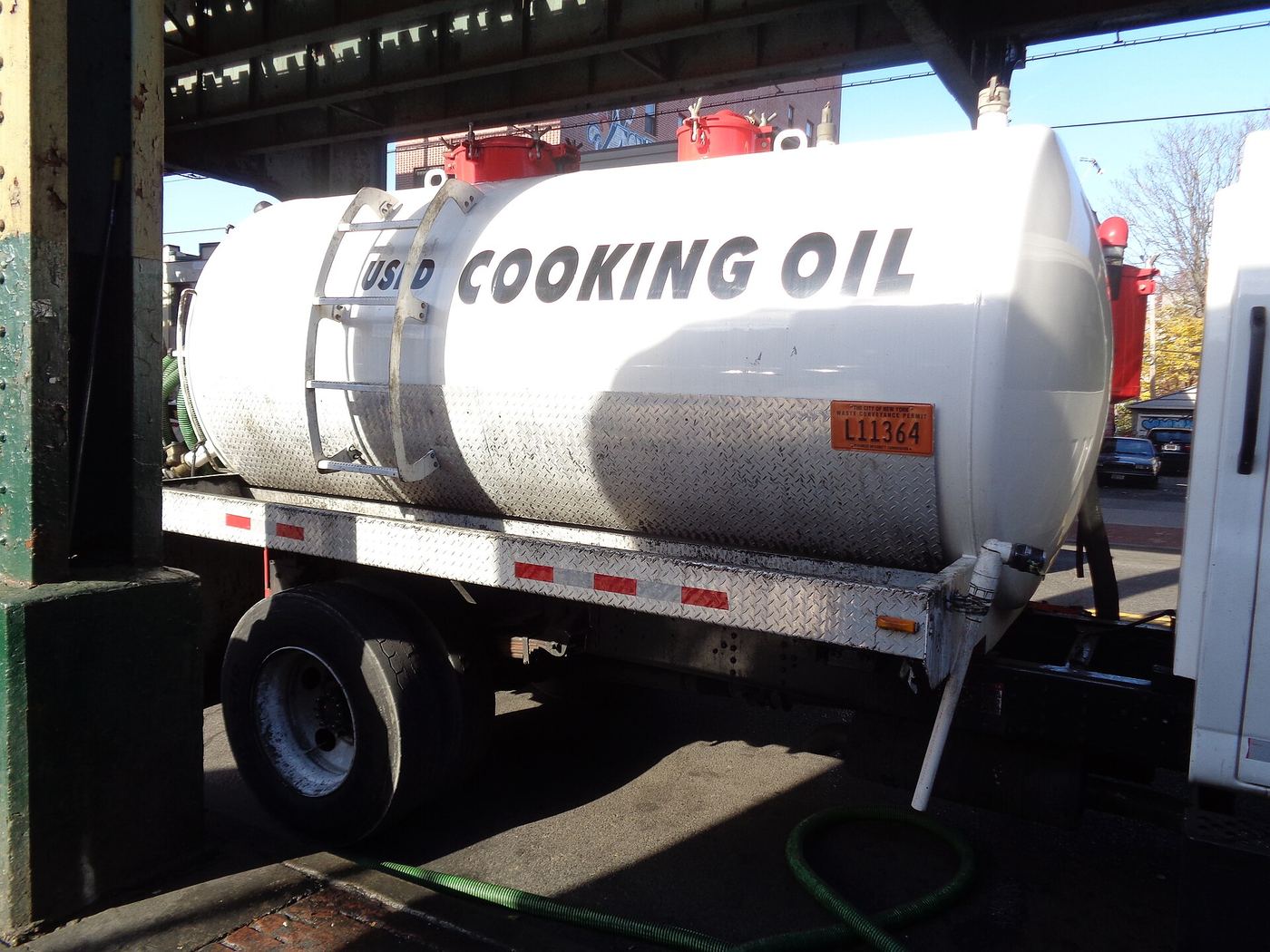

Used cooking oil is what gets drained out of the fryers. Florida treats it separately from grease trap waste: a collector empties a storage bin, and some collectors pay for the oil while others take it for free. A state license aimed at oil collectors did not turn up. Commercial Kitchen 101 passes pickup requests to local collectors and does not collect anything.
Not the same as trap waste
Grease trap waste is the fat, oil and food solids caught in an interceptor under the sink. Section 403.0741 of the Florida Statutes controls who may pump and haul it. That law's definition of an interceptor or trap excludes "receptacles designed specifically for collecting used cooking oil or fats and bones". A fryer oil bin is therefore not a trap, and the hauler licensing and manifest rules in the grease traps guide do not reach it.
Where it is kept
No statewide Florida rule on how a restaurant stores used cooking oil was found. The fire marshal, the landlord and the local utility can each say what they expect for placement, containment and spill cleanup. The DBPR plan also shows the dumpster and storage areas, as the opening a restaurant guide describes.
A local company can take it from here. One form, free for restaurants.
Get connectedPickup
The collector empties oil from your container. A written agreement should cover the pickup schedule, who owns the container and who handles spills.
No state license for cooking oil collectors was found. FDEP does register transporters and processors of "used oil" every year under Rule 62-710, a program built on the chapter 403 definition. Whether that definition takes in cooking oil could not be confirmed, so the collector is the one to ask which registrations it holds.
Who pays whom
A 2013 FDEP guidance document explains how rendering plants obtain restaurant fats and oils. It says they are "typically purchased from the generator as a product or are collected for recycling at no charge". Either a payment or a free pickup is possible. No source for current per-gallon prices was found, so none are listed. Get terms in writing from any collector before signing.
Theft
Oil has value, and thieves pump it from restaurant bins. No Florida law written only for this crime turned up, so charges come under the general theft statutes.
A May 2024 news report told of two men charged with burglary after pumping about 150 gallons from storage at two St. Petersburg restaurants. Police valued the oil at about $500.
Florida law makes theft of $750 or more but under $20,000 grand theft in the third degree. A theft of $100 up to $750 is a first-degree misdemeanor.
To cut the risk, take a locked bin if the collector offers one, and report any theft to the police.
A pickup request sent through the form goes to one local collector.
Questions
Does Florida count fryer oil as grease trap waste?
It does not. The state grease waste law leaves bins built for used cooking oil out of its definition of a trap, so the hauler license and manifest rules cover only trap waste.
Is a state license required to collect used cooking oil in Florida?
None was found. FDEP registers used oil transporters under Rule 62-710, but coverage of cooking oil is unconfirmed, so ask the collector what it is registered for.
Do collectors pay restaurants for used cooking oil?
Some pay and some collect for free. A 2013 FDEP document says restaurant fats and oils are typically bought from the restaurant or collected for recycling at no charge. Current prices are not available here.
Where should an oil theft be reported in Florida?
To the police, since theft falls under the general theft laws. Keep the collector's pickup schedule and your bin records handy.