Home › Texas › Commercial kitchen hood permits in Texas
Commercial kitchen hood permits in Texas: Houston and Dallas
- Pick what you need and give your kitchen's ZIP code.
- Each service goes to the number of local companies you choose, from one to five. We check licenses where the law requires one and email you their names.
- You talk with them and decide. You hire and pay the company directly.
Facts checked 2026-11-15.
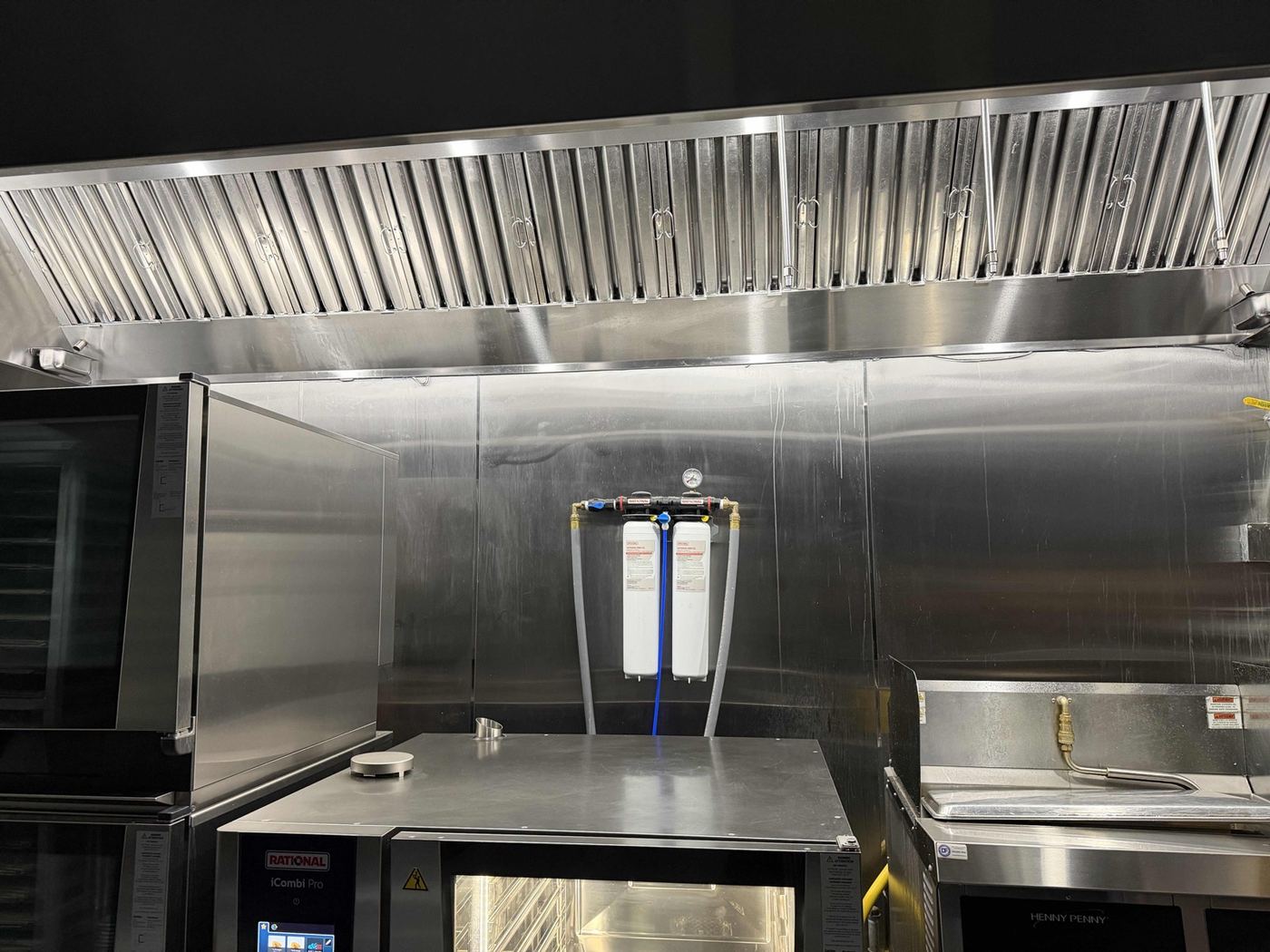
Permits and inspections for a commercial kitchen hood and its exhaust run through the city in Texas. Every city picks its own mechanical code and amends it. Its permit office can say who is allowed to pull the permit and which inspections follow.
There is no statewide mechanical permit
No single fire code covers Texas, and the building trades work the same way. Each city adopts codes and alters them by ordinance.
| City | Mechanical code | Fire code |
|---|---|---|
| Houston | 2021 Uniform Mechanical Code with Houston amendments, part of the 2021 Houston Construction Code effective January 1, 2024 | 2021 International Fire Code with Houston amendments |
| Dallas | 2021 International Mechanical Code (city code chapter 55) with Dallas amendments, effective May 12, 2023 | 2021 International Fire Code with Dallas amendments, effective February 10, 2023 |
Because the two cities start from different mechanical codes, a hood drawing approved in one is no guarantee in the other.
What Houston asks for
Questions on commercial kitchen hoods go to Houston's Mechanical Inspections section, which also inspects them. Commercial kitchen ventilation, including a replacement system, needs a mechanical permit and an inspection. The city also lists a PCC test for kitchen ventilation.
A mechanical inspector has to approve the work before the project is finalized. Contractors normally call in three inspections: cover, grill seal and final. The section registers licensed HVAC contractors as well, and its phone is 832-394-8850.
Fire is handled apart. Under Houston's amended fire code, a commercial cooking fire-extinguishing system has to be recognized for protecting cooking equipment and its exhaust. Pre-engineered dry and wet chemical systems are tested to UL 300 and must be listed and labeled for that use, then installed to the code, NFPA 96, the listing and the maker's instructions.
A local company can take it from here. One form, free for restaurants.
Get connectedWhat Dallas asks for
The city adopted the 2021 International Mechanical Code and 2021 International Plumbing Code, both with Dallas amendments. Its fire code text puts an automatic sprinkler in kitchen exhaust hood and duct systems where a sprinkler system is how the fire-extinguishing section gets met. Dallas Fire-Rescue's permit fee schedule carries its own line for a commercial cooking fire-extinguishing system.
Midlothian's checklist for kitchens
Some cities publish what their inspectors look for, and the lists are not identical. Midlothian's fire marshal asks for:
- a Type I hood over grease-producing appliances, with UL 300 suppression
- a smoke test on duct joints and welds after installation
- approved fire wrap on ducts, two layers in wood-frame buildings and one layer in others
- fuel gas and power to cooking appliances cut when the suppression system trips, while the exhaust fan keeps running
- a tie from the suppression system to the building fire alarm, where one exists
- a state inspection tag in place once the fire marshal accepts the work
The state air conditioning license skips the hood itself
The Texas Department of Licensing and Regulation licenses air conditioning and refrigeration contractors. Under the Occupations Code, that chapter leaves out anyone who installs, repairs or removes a vent hood of the sort found in residential or commercial kitchens. The hood alone, then, is outside that license. Ducts, fans and make-up air are not mentioned, and a city may call them mechanical work. The permit office says which license it expects.
What the health inspector checks
Texas food rules adopt the 2017 FDA Food Code. Hoods above food preparation and warewashing areas need a design that keeps grease and condensation off food, equipment and utensils, and grease filters have to come out readily for cleaning unless they are cleaned in place.
Who does what
- The fire marshal reviews the suppression system and enforces NFPA 96 for cleaning. The hood cleaning guide covers that side.
- The city mechanical office permits and inspects hood and exhaust work. In Houston that is Mechanical Inspections.
- A State Fire Marshal's Office licensee installs and certifies suppression. See the suppression guide.
- The health department checks grease filters and drip control.
A new or replacement hood and exhaust job in Texas can be listed on the form, and one local contractor who does hood work receives the request.
Questions
Is there a state license for installing kitchen hoods in Texas?
Not under the air conditioning and refrigeration chapter, which the Occupations Code says does not reach people who install, repair or remove a kitchen vent hood. The city permit office tells you who may pull the permit.
Do I need a permit to put in a new commercial hood?
Houston requires a mechanical permit and inspection for commercial kitchen ventilation. In other cities, the permit office has the answer.
What mechanical code governs a hood in my city?
Each city chooses. Houston uses the Uniform Mechanical Code with its amendments, while Dallas uses the International Mechanical Code with its own.
Sources
- Houston Mechanical Inspections
- Houston code development, 2021 Houston Construction Code
- Houston amendments to the 2021 International Fire Code
- Dallas current city codes
- Dallas 2021 International Fire Code amendments, ordinance 23-0118
- Dallas Fire-Rescue schedule of permit fees
- Midlothian Fire Marshal's Office, fire protection inspections
- Occupations Code 1302.060, vent hoods
- FDA Food Code 2017, sections 4-202.18 and 4-204.11
- 25 TAC 228.1, Texas adoption of the Food Code
- 28 TAC 34.517, requirements for fixed systems