Home › Florida › Jacksonville restaurant fire permits and review fees
Jacksonville restaurant fire permits and review fees
- Pick what you need and give your kitchen's ZIP code.
- Each service goes to the number of local companies you choose, from one to five. We check licenses where the law requires one and email you their names.
- You talk with them and decide. You hire and pay the company directly.
U.S. Bureau of Labor Statistics, private restaurants and other eating places
Facts checked 2026-11-15.
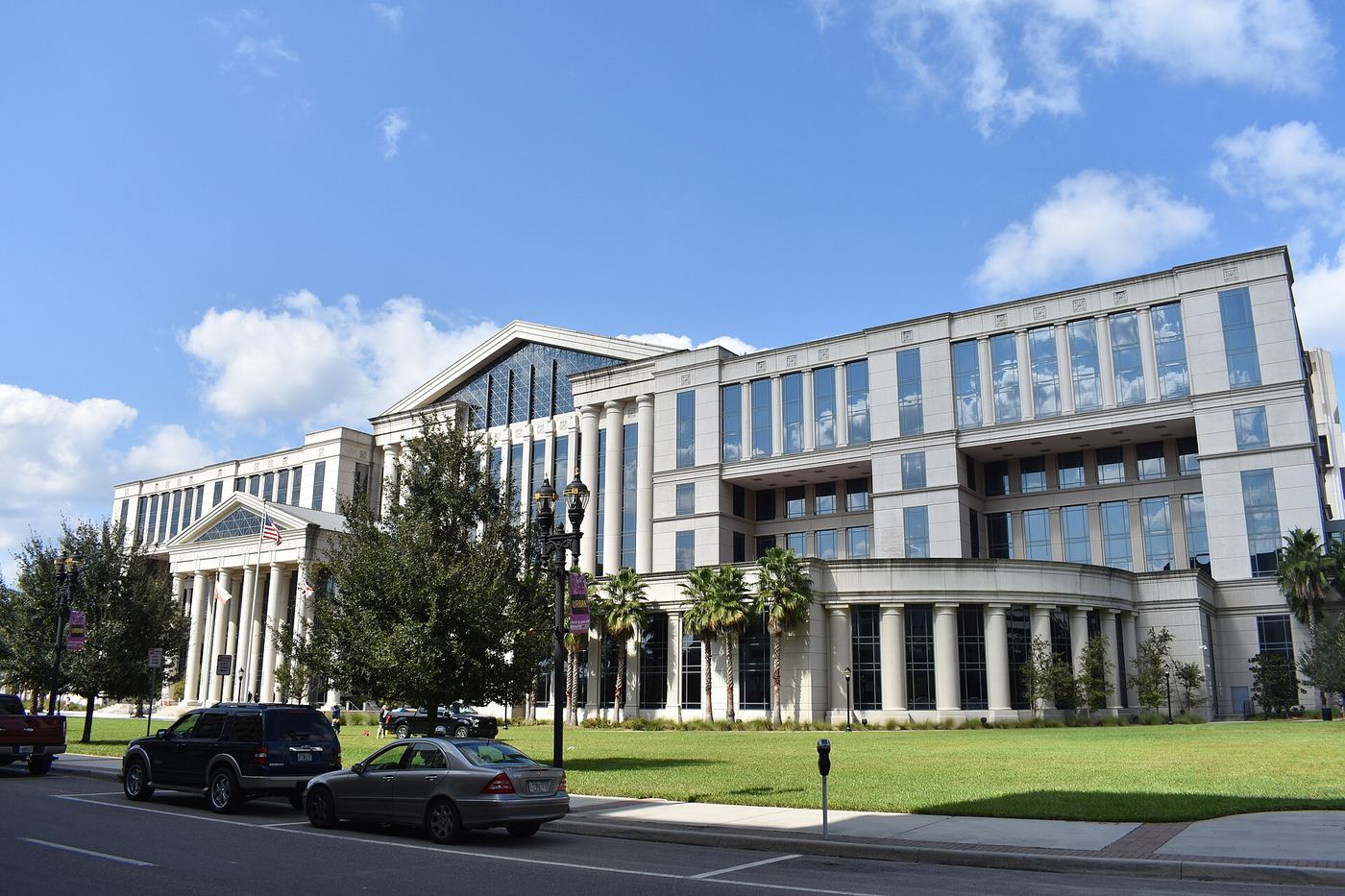

Jacksonville and Duval County run as one government. A restaurant in Duval therefore works with city offices only: the Fire Prevention Division, the Building Inspection Division and the JaxEPICS permit portal. The city also posts its fire plan review fees, which makes budgeting easier than in most counties.
Which Jacksonville office answers which question
| Question | Who to ask |
|---|---|
| Fire permits, plan review, commercial inspections | Jacksonville Fire and Rescue Department, Fire Prevention Division |
| Building permits and inspections | City Building Inspection Division |
| Opening a business or changing its use | Certificate of Use review by Zoning, the Fire Marshal and Building Inspection |
| Food license and health inspections | State DBPR, District 5 office in Jacksonville |
| Grease program for the sewer connection | JEA |
Routine fire safety inspections of commercial property rest on both a city ordinance and state law, and the Fire Prevention Division does them. A dispute over how the Fire Marshal read a rule goes to the Building Code Adjustment Board.
A kitchen that produces grease-laden vapors needs exhaust and suppression systems. Extinguisher service and tags must come from a company licensed by the State Fire Marshal. Each of these has a statewide guide: hood cleaning, fire suppression and fire extinguishers.
The Certificate of Use is reviewed by three offices
Any business that opened after May 29, 2006 needs a Certificate of Use. A new business, an expansion and a change of use all trigger it, and Zoning, the Fire Marshal and Building Inspection each look at the application. A denial comes as a letter with reasons. After it, you have 45 days to correct the problem before Code Enforcement steps in.
A local company can take it from here. One form, free for restaurants.
Get connectedPermits move through JaxEPICS and paper is out
Submitting anything starts with a JaxEPICS account. The city applies that to fire work as well: a job that needs a fire permit has to be completed online, and paper applications are refused.
Plan review follows a set order. The architect, engineer or owner delivers plans to the Building Inspection Division, and that division forwards them to the Fire Department. Only after the building permit is issued does the suppression contractor send in its layout. Reviewers apply the current Florida Fire Prevention Code, and the city's procedure page names no local amendments. Several inspections, including suppression, fire alarm, final fire safety and Certificate of Use, are requested through the city's inspection line.
For the statewide picture of a build-out, read the restaurant build-out guide and the equipment and food supply guide.
Posted fees: $125 for a new hood, $100 for a re-pipe
The city's fee schedule gives Fire and Rescue amounts with separate review lines for new hood systems and engineered suppression systems. Hood fees come due before installation begins. Treat the figures as a snapshot, because fees change and the city should confirm them before you budget.
| Item | Fee |
|---|---|
| Plan review, new hood system | $125 |
| Plan review, existing hood system (re-pipe) | $100 |
| Plan review, engineered suppression system | $125 |
| Plan review re-inspection | $75 |
| Routine fire inspection | $0.009 per square foot, capped at $5,000 |
| First re-inspection | No charge |
The first re-inspection is free, and a second one costs the routine rate. When a water flow test is needed, it runs $82, and contractors may not perform their own. The hood installation guide covers the state rules behind these steps.
JEA decides how often your trap is pumped
JEA is the sewer utility in Duval, so it is the one to ask about the pump-out schedule for a trap or interceptor. Pass whatever it says to your hauler. State law layers fines on top. An interceptor left uncleaned can cost up to $250 each time, a missing manifest up to $100, and unlawful dumping of grease waste at least $2,500. The guides on grease traps and used cooking oil explain the rest.
Duval added 118 eating places since 2019
The Bureau of Labor Statistics put Duval's private restaurants and other eating places at 2,009 in 2025. In 2019 the figure was 1,891, so the county gained 118 places, or 6.2%. Orange, Seminole and Volusia grew faster. Employment at these places went the other way, from 38,001 down to 37,110, roughly 2.3% lower.
A Jacksonville kitchen sends its ZIP code and the job through the form, and the request goes to as many local companies as you pick, from one to five.
Other places in Florida
Questions
What is the plan review fee for a new restaurant hood in Jacksonville?
The posted city fee schedule shows $125 for a new hood system and $100 for re-piping an existing one. A review re-inspection adds $75.
Does a Jacksonville restaurant need a Certificate of Use?
It does if the business opened after May 29, 2006, and also for new businesses, expansions and changes of use. Zoning, the Fire Marshal and Building Inspection all review the application.
Are paper fire permit applications accepted in Jacksonville?
No. The city requires any job needing a fire permit to be finished online in JaxEPICS and does not take paper filings.
Which state office handles restaurant health inspections in Duval County?
The Division of Hotels and Restaurants at DBPR, working out of its District 5 office in Jacksonville.
How many restaurants does Duval County have?
The Bureau of Labor Statistics counted 2,009 eating places in 2025, compared with 1,891 in 2019.
Sources
- City of Jacksonville, Small Business Help (Fire Prevention, Certificate of Use)
- City of Jacksonville, Fire and Rescue plan review procedures
- City of Jacksonville, city fees
- City of Jacksonville, Building Inspection Division
- JaxEPICS
- Florida DBPR, Hotels and Restaurants division offices
- Florida Statutes 403.0741, grease waste removal