Home › Florida › Volusia County restaurant suppression permits and FOG rules
Volusia County restaurant suppression permits and FOG rules
- Pick what you need and give your kitchen's ZIP code.
- Each service goes to the number of local companies you choose, from one to five. We check licenses where the law requires one and email you their names.
- You talk with them and decide. You hire and pay the company directly.
U.S. Bureau of Labor Statistics, private restaurants and other eating places
Facts checked 2026-11-15.
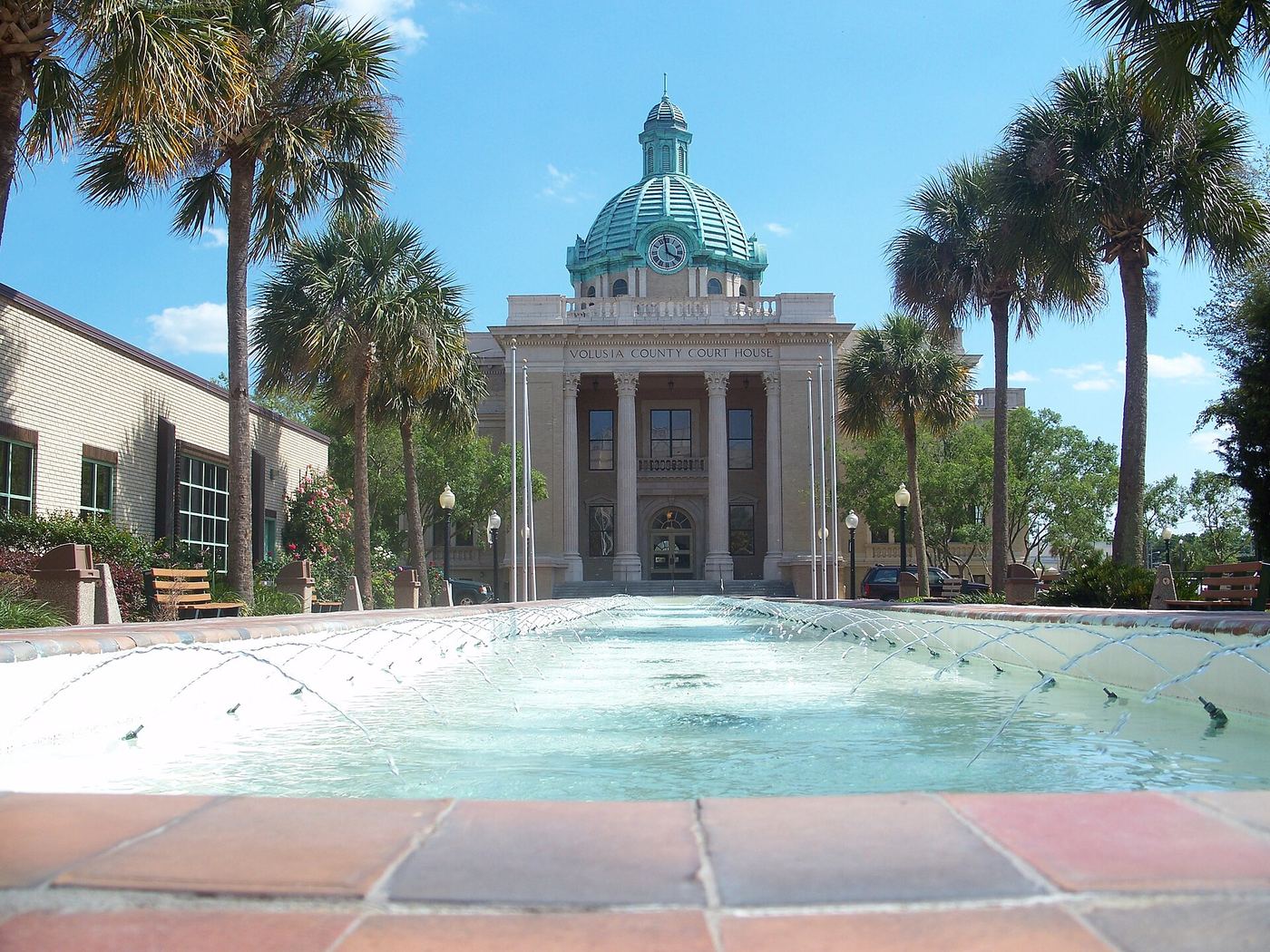

Inspectors from Volusia County Fire Rescue work from a short published checklist for restaurant kitchens. A suppression system in a kitchen needs a county permit of its own, and plans travel through the ConnectLive portal. Grease is the uneven part. The county utility page lists no rules, but Daytona Beach has a thorough program.
Who answers for which address
| Where your restaurant is | Who to ask |
|---|---|
| Unincorporated Volusia, Pierson, Oak Hill, Lake Helen | Volusia County Fire Rescue |
| An address in another city, such as Daytona Beach | Call the city's offices before you file |
| Food license and health inspections, any address | State DBPR, District 4 office in Orlando |
A kitchen in Daytona Beach is served by the city's Utilities Department, so the city's grease program (below) governs it.
What the county checklist asks of a kitchen
The county's inspection checklist wants annual service on fire extinguishers and a K class extinguisher wherever grease is cooked. The minimum rating is 2A:10BC, placed within 75 feet of travel or one for every 3,000 square feet. It describes suppression systems over kitchen hoods as serviced "bi-annually", with a tagged copy of the report going to Fire Rescue. Hood systems are cleaned by a trained company "on a biannual basis at a minimum." Violations that are cited generally get 30 days for correction.
A local company can take it from here. One form, free for restaurants.
Get connectedAny kitchen suppression installation needs a permit
According to the county's fire permit rules, a kitchen suppression system (listed as UL-300) needs a permit each time one is installed or altered. Drawings should show the sequence of operations, carry manufacturer cut sheets and list the NFPA codes used. Submit to the Volusia County Building Department or upload through ConnectLive, the county's permitting and compliance portal.
A county fire permit table from about July 2020 shows $100 for an automatic fire suppression permit, so check whether that is still the figure. The same table says regular maintenance done as the code requires is not a modification and needs no permit. A build-out also needs a Life Safety Plan with occupancy type, occupant load, travel distances, extinguisher locations, emergency lighting and exit signs. The state guides on restaurant build-out, hood installation and equipment and food supply add the rest.
For unincorporated areas, the county runs a free Permit and Code Concierge Service. A liaison helps a business find the quickest path through building, fire code and utility connections. The building division also keeps a Permit Center for help with applications.
Daytona Beach has a grease program, and the county does not
The county's Water Resources and Utilities page says nothing about a fats, oils and grease program for commercial customers. If you are inside a city, check that city's rules.
Daytona Beach has a Fats, Oils and Grease Program Manual, revised in February 2024. Its main points:
- Each food service establishment needs an approved oil and grease interceptor.
- A new food service use, or a remodel under a city permit, can require installing one.
- Every unit is fully pumped out at least every 90 days and deep cleaned yearly.
- Grease plus settled solids may not exceed 25% of the liquid depth.
- A discharge permit lasts up to five years.
- Each pump-out needs a manifest, a log is kept on site for 12 months, and the city is told of pumping within 7 days.
- Enforcement starts with a notice of non-compliance and can reach fines, a city pump-out charged to your account or a cut-off of water and sewer service.
The state's side is in the grease trap guide and the used cooking oil guide.
128 new eating places since 2019
Using Bureau of Labor Statistics figures, Volusia County had 1,082 private restaurants and other eating places in 2025 and 954 in 2019. The increase is 128 places, or 13.4%. Employment grew from 19,943 to 20,353, roughly 2.1%.
Send the form with a Volusia ZIP and the suppression or hood cleaning job, and the request is passed to as many local companies as you choose, from one to five.
Other places in Florida
Questions
Is a permit needed for a kitchen suppression system in Volusia County?
Yes, for each installation and each alteration. Normal maintenance carried out as the code describes does not count as a modification and needs none.
What cleaning frequency does Volusia County Fire Rescue list for restaurant hoods?
Its checklist says a trained company cleans hood systems on a biannual basis at a minimum.
What is the pumping schedule for a Daytona Beach grease interceptor?
The FOG manual requires pumping at least every 90 days plus a yearly deep clean, and more often when the unit needs it.
Where are fire permit plans sent in Volusia County?
They go to the Volusia County Building Department or through the ConnectLive portal.
How many eating places does Volusia County have?
The Bureau of Labor Statistics counted 1,082 in 2025 and 954 in 2019.
Sources
- Volusia County Fire Rescue
- Volusia County, Fire Prevention Code Requirement
- Volusia County Fire Rescue permit requirements and fees (PDF)
- Volusia County, general permitting requirements (PDF)
- Volusia County Fire Rescue inspection checklist (PDF)
- Volusia County, Building and Code Administration
- Volusia County, Permit and Code Concierge Service
- Volusia County, Water Resources and Utilities
- City of Daytona Beach, FOG Program Manual (PDF)
- Florida DBPR, Hotels and Restaurants division offices